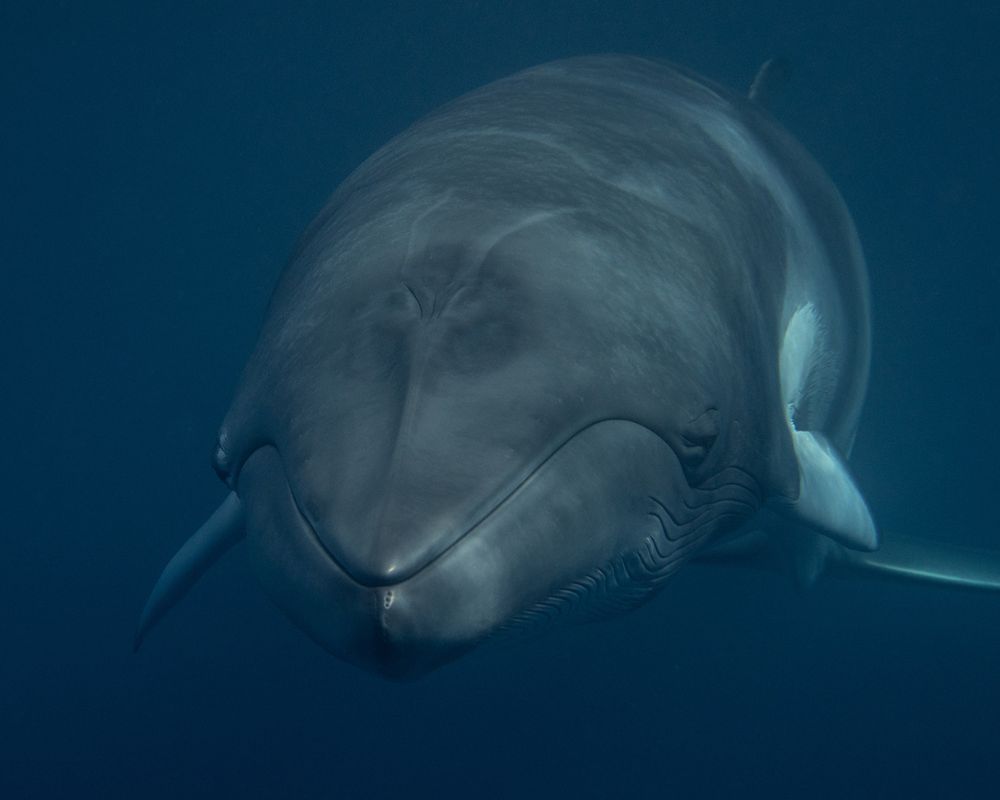
Every Australian winter, Dwarf Minke Whales gather in the northern Great Barrier Reef, with the main encounter season falling in June and July. Permitted liveaboard expeditions travel from Cairns towards the Ribbon Reefs, giving snorkellers and certified divers the opportunity to enter the water and wait for these curious whales to approach naturally.
Unlike a conventional whale-watching trip, the whales are not chased or encouraged to approach swimmers. Instead, you are guided by crew to follow safe procedures while on a float line and allow these naturally inquisitive whales to decide whether to investigate your presence in the water. For divers and snorkellers, a Minke Whale expedition also includes time exploring the Ribbon Reefs, so the trip combines a seasonal wildlife encounter with several days of Great Barrier Reef diving and snorkelling.
The northern Great Barrier Reef is known for the world’s only predictable seasonal aggregation of Dwarf Minke Whales. Each Australian winter, these whales are regularly encountered around the Ribbon Reefs north of Cairns.
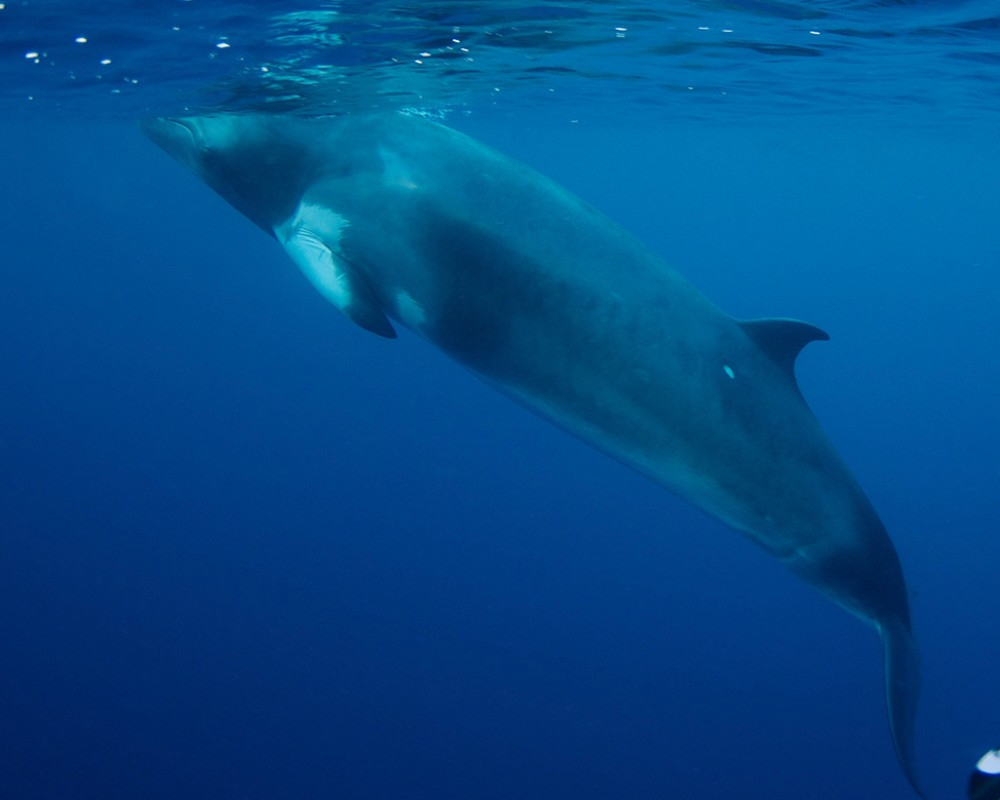
Their behaviour is part of what makes these encounters unusual. Dwarf Minke Whales are naturally inquisitive and may approach boats, snorkellers and divers, sometimes circling back to investigate swimmers. Instead of watching whales from a distance, you can find yourself in the water while a wild animal decides whether to come closer.
There is no set pattern to an encounter. You enter the water, follow the crew’s instructions and wait. The whale determines whether an interaction develops, how close it comes and how long it stays.
That unpredictability is important to understand before booking. A Minke Whale expedition is designed to give you the opportunity for an encounter, but the behaviour of wild whales cannot be guaranteed.
June and July are the main months for Dwarf Minke Whale encounters on the northern Great Barrier Reef.
Historical data collected by the Minke Whale Project shows that approximately 90% of reported Great Barrier Reef encounters occurred during June and July, with encounters peaking around late June and early July. This is historical data rather than a current annual percentage, but it remains useful when planning around the established Minke Whale season.
Dwarf Minke Whales have also been recorded in northern Great Barrier Reef waters outside these months. However, dedicated Minke Whale liveaboard trips are concentrated around the shorter winter period.
For travellers planning specifically around the whales, June and July therefore provide the strongest historical opportunity for an encounter. As with any wildlife experience, however, the whales ultimately determine what happens once you are on the reef.
The principal area for Dwarf Minke Whale encounters is the northern Great Barrier Reef, particularly around and west of the Ribbon Reefs between Port Douglas and Lizard Island. Dedicated liveaboard expeditions depart from Cairns and travel into this remote section of the reef, where seasonal Minke Whale encounters take place.
The Ribbon Reefs are a key part of Dwarf Minke Whale expeditions, combining seasonal whale encounters with access to some of the Great Barrier Reef’s well-known dive sites. Sites around Ribbon Reef #3 and #10 can feature on itineraries, although exact locations depend on the expedition and sea conditions.
Because the Ribbon Reefs are remote and spread across the northern Great Barrier Reef, a liveaboard is the most practical way to reach the area and spend several days diving and looking for Dwarf Minke Whales.
The most important thing to understand is simple: you don’t chase the whale. The whale chooses whether to approach you.
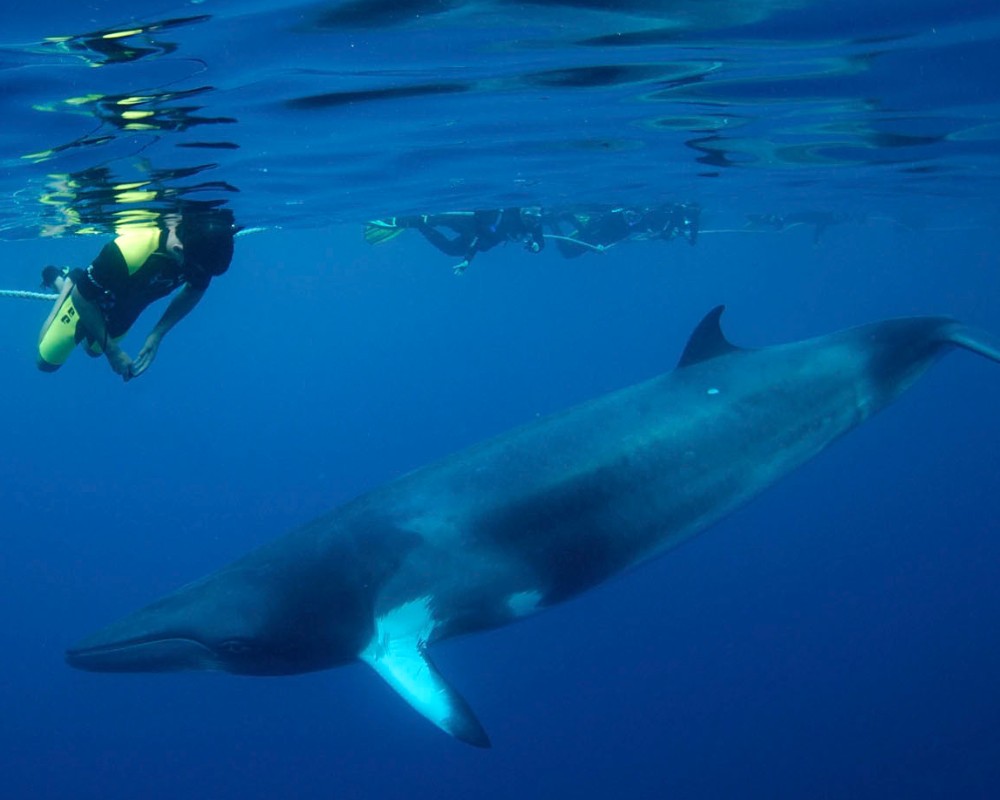
When whales are sighted and conditions are suitable, the liveaboard crew briefs guests on the appropriate in-water procedures. Swimmers typically enter the water in a controlled manner and position themselves along a surface line attached to the vessel. Rather than swimming towards the whales, participants wait and allow the whales to decide whether to approach.
A curious Dwarf Minke may swim past the line, circle back, investigate swimmers or make several close approaches. An encounter might involve one whale or several and its duration can vary considerably.
The important distinction is that the interaction remains on the whales’ terms. Swimming with Dwarf Minke Whales on the Great Barrier Reef is a carefully managed tourism activity available through appropriately permitted operators.
No. Scuba certification isn’t required to participate in a Dwarf Minke Whale swimming experience.
Snorkellers can take part in dedicated in-water whale encounters, while certified divers can combine the seasonal whale experience with multiple dives along the Ribbon Reefs.
This can make selected Minke Whale expeditions suitable for mixed divers and non-diver groups. Generally speaking in my experience has always been that our Minke Whale Encounters are away from the reef. So while the Minke Whales are there on open water everyone shares time on the safety line and it’s not until the vessel moves to an actual reef location can scuba divers enjoy dives as well as snorkelling on the reef. Always check the specific expedition before booking, as facilities and participation requirements can differ between vessels.
The dedicated Minke Whale interaction is primarily an in-water swimming and snorkelling experience as highlighted in this story. Being a certified divers certainly allows you the opportunity to dive some of the better locations on the Great Barrier Reef with depths up to 30 meters on most dives. It’s not to say you won’t see a Dwarf Minke Whale while diving but it’s not that common along the Ribbon Reefs.
So when comparing a Minke Whale expedition, think about the complete trip on offer over the varied duration of each operator is offering.
If you’re primarily interested in marine wildlife and seeing Dwarf Minke whales, the swimming component will be your focus. The liveaboard expeditions are the operators normal say 3 Night Ribbon Reef Trips which run all year round however during the months of June and July the focus for the vessel’s crew is finding Dwarf Minke Whales. If you’re a keen diver, the amount and quality of Ribbon Reef diving can be just as important.
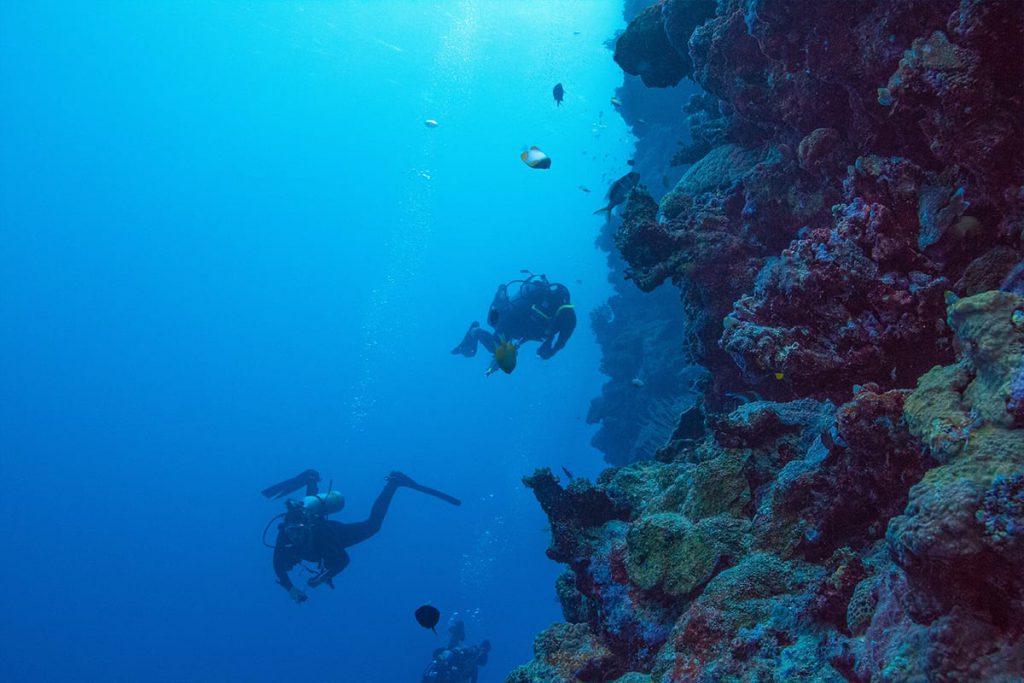
A Dwarf Minke Whale expedition is also a Great Barrier Reef diving and snorkelling trip, with time spent on some of the northern Ribbon Reefs’ well-known sites. Depending on the itinerary and conditions, dives may include Ribbon Reef No. 10, Cod Hole, Steve’s Bommie, Pixie Pinnacle, Lighthouse Bommie and other nearby sites.
These reefs are known for diverse marine life, including potato cod, reef sharks, turtles, coral gardens and schooling reef fish. The exact sites vary between expeditions because liveaboard crews adjust the itinerary according to weather, sea conditions and wildlife activity.
For certified divers, this combination is a major part of the appeal where you can spend time looking for Dwarf Minke Whales at the surface, then return to the water for several days of diving across the Ribbon Reefs. The result is an expedition that combines a seasonal marine encounter with some of the northern Great Barrier Reef’s established dive sites.
Only a limited number of permitted operators run dedicated Dwarf Minke Whale expeditions during the winter season. Dive in Australia’s current options include selected trips aboard OceanQuest, Spirit of Freedom, Mike Ball’s Spoilsport , subject to seasonal schedules and availability.
The important thing when comparing these expeditions is that the boats aren’t interchangeable. Trip length, vessel style, cabin type, group size, number of dives and the balance between dedicated Minke Whale encounters and general Ribbon Reef diving can vary.
For example, a diver who wants as much time underwater as possible may have different priorities from a couple where one person dives, and the other prefers to snorkel. Cabin configuration and the amount of time spent on the Ribbon Reefs can also make a difference.
Rather than choosing based purely on price, compare the overall expedition and how well it fits the type of trip you’re wanting to experience.
There isn’t one Minke Whale liveaboard that suits every traveller. Start by deciding what you want from the overall expedition, then compare the vessels against those priorities.
If you’re a keen diver, look at the number and style of dives included and how much of the itinerary explores the Ribbon Reefs. If you’re travelling with a non-diving partner, consider snorkelling opportunities, vessel facilities and cabin comfort alongside the diving.
Trip duration matters as well. A longer itinerary gives you more time around the northern Great Barrier Reef, while a shorter expedition may work better if you’re combining Cairns with other parts of Australia.
Cabin configuration, private ensuite facilities, group size, Nitrox availability, and your own diving experience can all influence which trip suits you best.
The useful comparison isn’t simply which boat has the lowest advertised price. It’s which itinerary gives you the combination of diving, wildlife encounters, accommodation and time on the reef that fits your trip and everyone in your group.
Yes. Swimming with Dwarf Minke Whales on the Great Barrier Reef is a carefully managed wildlife activity and in water encounters.
Whales and dolphins within the Great Barrier Reef Marine Park are protected, and commercial swim-with-whale experiences operate under specific management arrangements. The aim is to allow people to experience these animals while minimising disturbance to their natural behaviour.
For guests, the principle is straightforward by letting the whale control the encounter.
Do not chase, touch, feed or attempt to ride a whale. Follow the crew’s instructions and allow the animal to determine whether it approaches.
Research and tourism monitoring have also contributed to our understanding of the Dwarf Minke Whales that visit the northern Great Barrier Reef.
No. Dwarf Minke Whales are wild animals, so sightings and in-water encounters cannot be guaranteed.
Dedicated expeditions operate during the period when historical encounter rates are highest, giving travellers a stronger opportunity to encounter the whales during their seasonal presence. However, there is no responsible way for an operator or travel agent to promise that whales will appear on a particular departure.
This is why the wider itinerary matters. You’re travelling through the Ribbon Reefs, staying aboard a Great Barrier Reef liveaboard and, if you’re a certified diver, exploring the reef along the way.
A Minke Whale encounter becomes part of the expedition rather than the only reason for being there.
If Dwarf Minke Whales are one of the main reasons you’re travelling to Australia, booking early is your best plan. With only three vessels running trips for travellers to experience encounters with Dwarf Minke Whale Encounters it is strongly advised to book earlier as these trip fill out almost one year in advance. The dedicated season is short and only available during the months of June and July, and each liveaboard operates a limited number of suitable departures.
Cabin availability can also become important, particularly if you’re travelling as a couple or a family and want private or ensuite accommodation.
International travellers should also consider the Minke Whale expedition as part of a wider Queensland itinerary. Cairns can be combined with additional Great Barrier Reef diving, Port Douglas, the Daintree Rainforest and other Australian destinations.
Booking a seasonal marine wildlife trip requires careful planning.
Contact us for 2027 Minke Whale Expeditions & Availability.
Planning your Australian dive holiday and feeling unsure where to begin? Reach out to us! Our knowledge and services encompass a wide array of Australia’s most sought-after scuba diving destinations and marine encounters. Whether you’re interested in dive courses, liveaboard expeditions, or day tours, we’ve got you covered. We’re your go-to experts for personalised dive travel in Australia!
© Dive In Australia 2026